Preparing the Coffee
Once coffee has been dried, it enters the final stages of preparation before roasting or export. These steps are designed to preserve the quality developed during cultivation and processing while ensuring consistency in the finished product. Through careful storage, threshing, selection, and roasting, we prepare each lot of coffee so that it reflects the work invested throughout the entire production process.
Storage
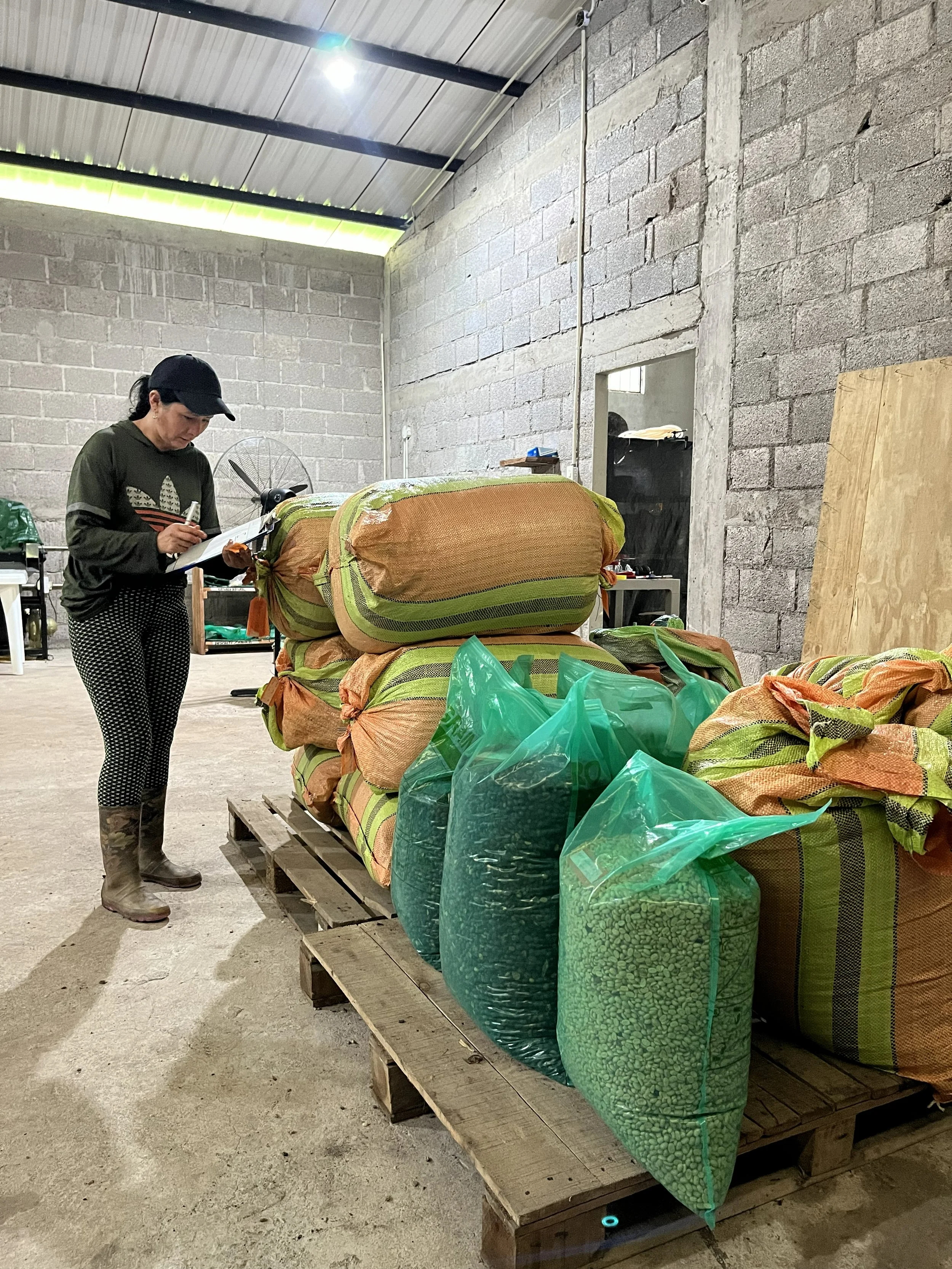
After drying, coffee is stored in its protective parchment layer to preserve quality and stability. The coffee rests in controlled conditions for approximately three months, allowing the beans to homogenize and stabilize after drying. During this period the moisture and internal structure of the beans equalize, which helps improve consistency in later stages of processing and roasting.
To protect the coffee during storage, parchment is kept in sealed GrainPro bags, which prevent moisture fluctuations and protect the beans from contamination while maintaining the integrity of the coffee until it is ready for threshing.
Threshing
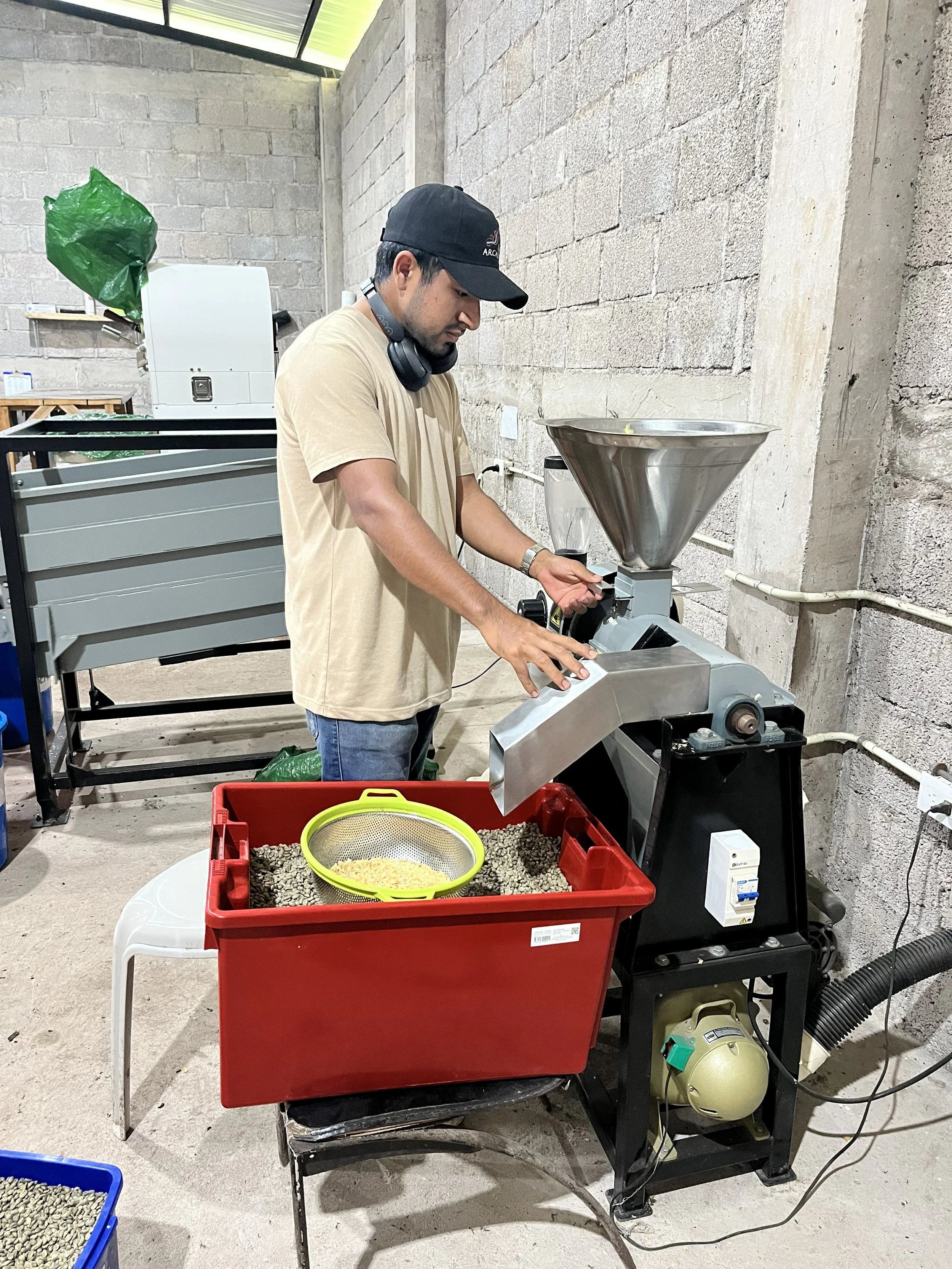
Once the coffee has stabilized in storage, the parchment layer surrounding the beans is removed through a process known as threshing. This step separates the green coffee beans from the dried parchment while minimizing mechanical damage to the beans.
Careful threshing helps preserve the structure and appearance of the green coffee, ensuring that the beans move forward to the next stage of preparation in optimal condition.
Selection
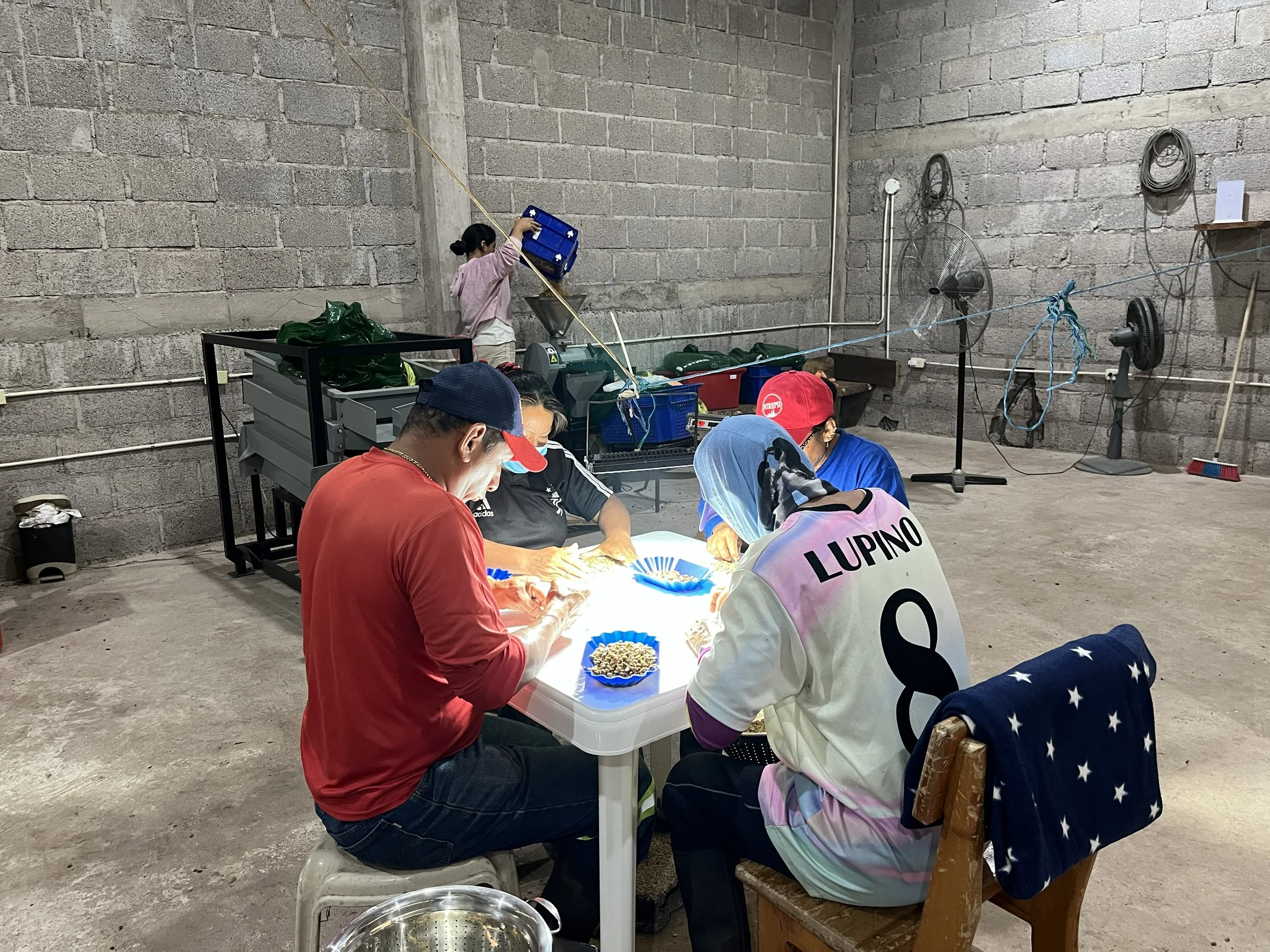
After threshing, the coffee undergoes a careful selection process designed to remove defects and ensure consistency. This process combines both mechanical and manual sorting methods.
Mechanical separation helps remove beans that differ in size or density, while manual inspection allows workers to identify and remove any remaining defects that machines may miss. Together, these steps help ensure that only high-quality beans move forward to roasting or export.
Roasting
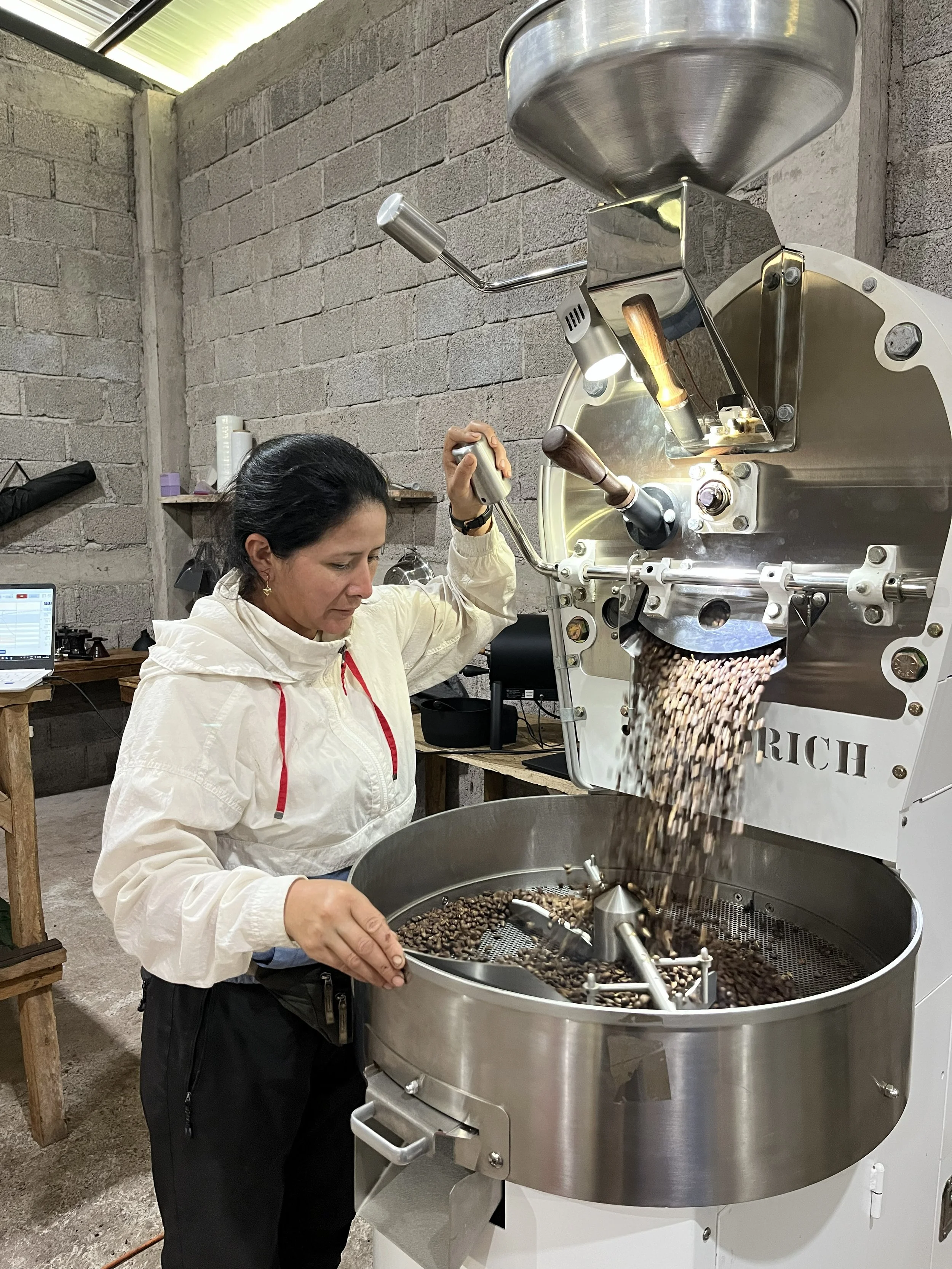
Coffee from Hacienda La Arcadia is roasted on site using a 5 kg Diedrich roaster, allowing careful control of roasting profiles while maintaining small, consistent batches.
In addition, a 1 kg Aillio Bullet roaster is used for roast curve development and experimentation. This smaller system allows precise exploration of roasting variables and helps refine profiles before they are scaled to the larger roaster.
Together, these tools allow us to develop roasting approaches that highlight the natural character of the coffee while maintaining consistency from batch to batch.
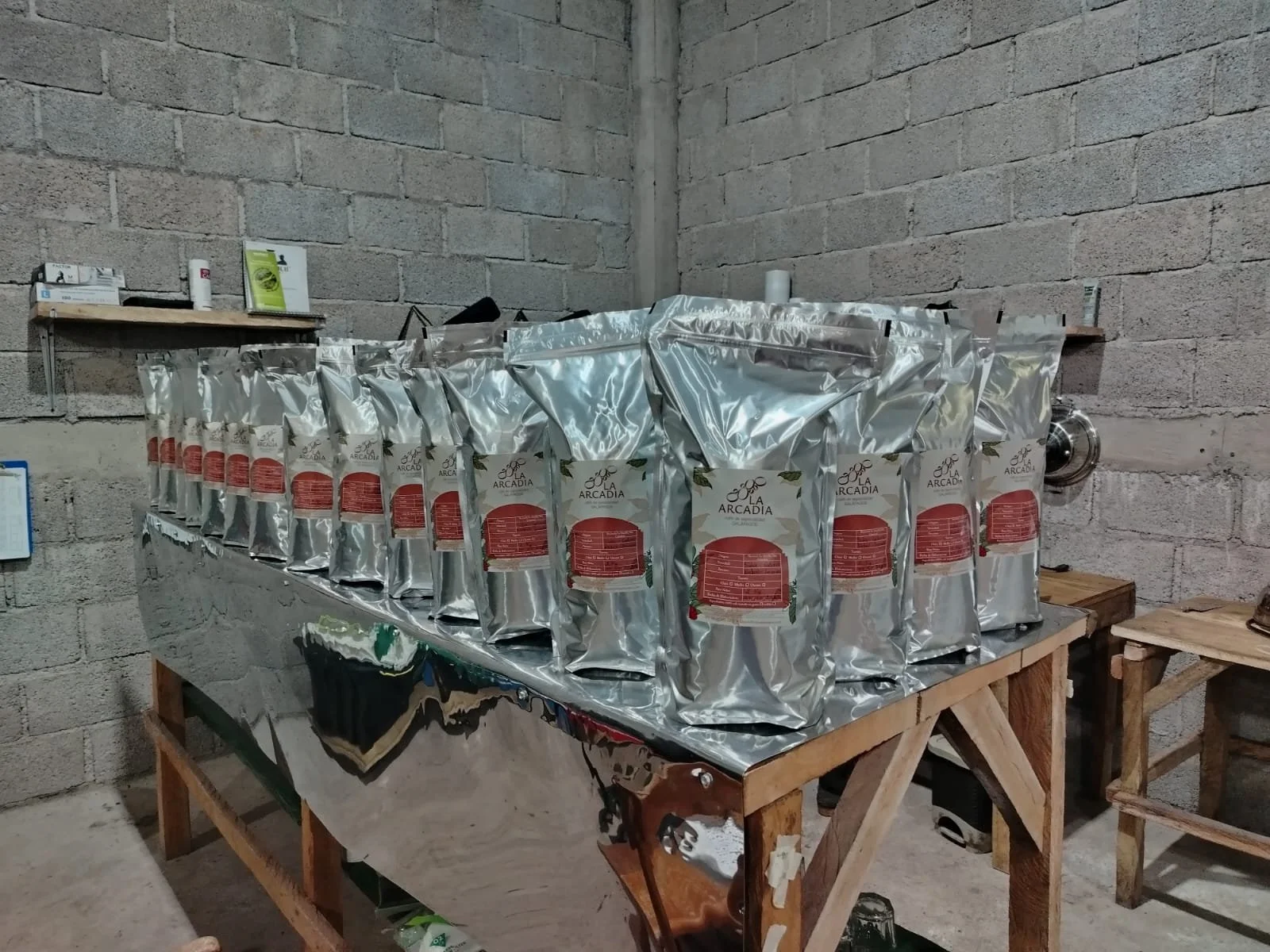
Once prepared, coffee is packaged in materials designed to preserve freshness and protect the beans during transport. Green coffee is sealed in protective liners to maintain stable moisture levels and prevent contamination, while roasted coffee is packaged in bags with one-way valves to allow gases to escape while preventing oxygen from entering.
Careful packaging ensures that the quality developed during cultivation, processing, and roasting is maintained as the coffee travels from the farm to roasters, distributors, and customers.
Packaging & Shipping